
Five lessons from producing Trevor Nelson on BBC Radio 1
July 07, 2026
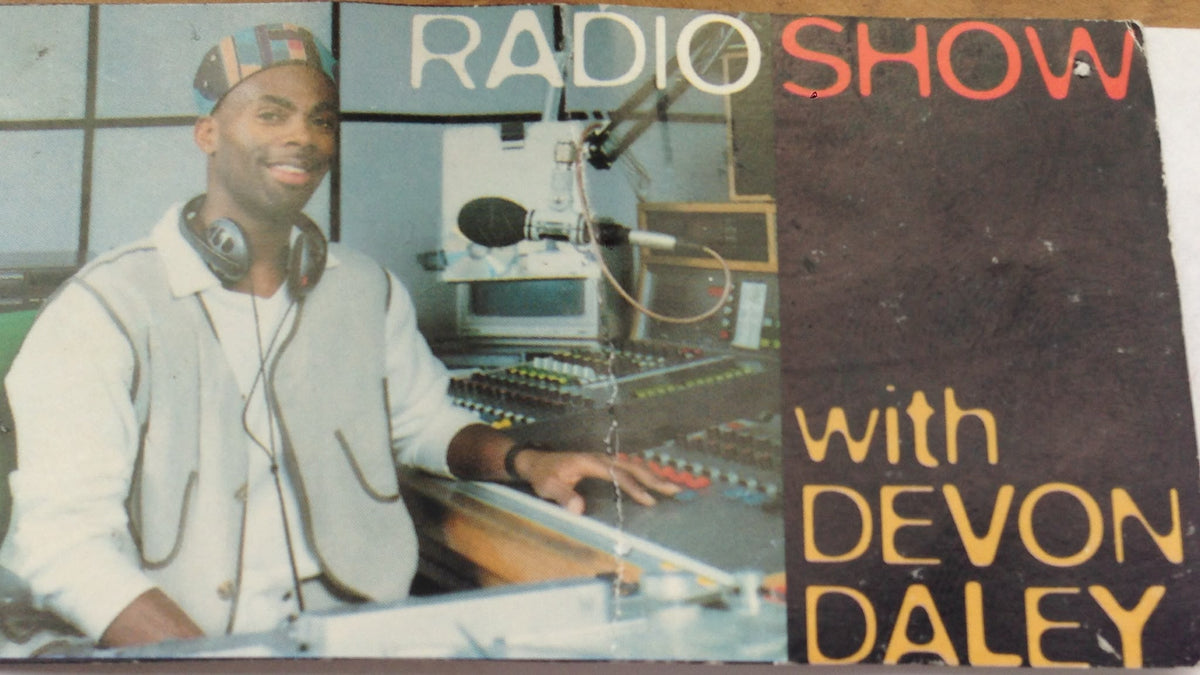
Between 2002 and 2006 I produced Trevor Nelson's Rhythm Nation, Soul Nation and the RnB Chart for BBC Radio 1. Four years, hundreds of shows, one incredible presenter — and a masterclass in production I didn't know I was signing up for.
Here are five lessons that stuck.
1. The mic is not the show
The show is what happens in the moments between the mic openings — the booking calls, the guest handoffs, the running order you're rebuilding twenty minutes before you go live. Trevor made it look effortless because everything upstream was rehearsed to death.
2. Trust the presenter's ear
Trevor could hear a bad edit through a wall of drums at three in the morning. If your presenter tells you a track feels wrong, they're almost always right — even when the analytics say otherwise. Learn to listen for the feel, not the file.
"If it doesn't move you in the first eight bars, it's not going in the chart."
3. Great guests are booked six months out
The names that made the show — Louie Vega, Ed Motta, Gilles Peterson, Joe Davis — weren't lucky bookings. They were long lunches, follow-up emails, and being the person who actually turned up when someone else's PR fell through. Guest booking is a relationship discipline.
4. The documentary is where you find yourself
Bossa n Beyond, the Brazilian music doc I produced during that period, taught me more about editorial voice than any weekly show. Give yourself a passion project inside your day job — it's how you find out what kind of producer you actually want to be.
5. Every show ends
Rhythm Nation ended in 2006. Soul Nation ended. The RnB Chart moved format. The best presenters know how to walk away well — and take everything they learned into whatever comes next. That, more than anything, is why Trevor is Trevor.
Producing Trevor Nelson wasn't just a job. It was the postgraduate degree I never took. Twenty years on I'm still using what I learned in that studio.
— Devon